What is it about goldfish? At Kazen no Sho—also known as Kazennosyo—they appear everywhere. Stylised red and blue goldfish take the form of lanterns hanging inside the elevator, decorative motifs in the dining room, and keepsakes in the souvenir shop. Inspired by the Tsugaru Nishiki, a goldfish species unique to the region and long regarded as a symbol of good fortune, these cheerful creatures signal the spirit of Aomori’s Neputa Matsuri—the summer festival famed for its glowing, iridescent floats that illuminate the night streets.
Reminders of Neputa are never far away. A short stroll brings you to Irodori, where visitors can participate in hands-on craft workshops. Here, fragments of deconstructed lanterns are transformed into picture frames or room lamps—an inventive upcycling of Aomori tradition into something that resembles a stained-glass window. The shop’s owner, Masayuki Kimura, explains that he wanted to “create a place where people can relax and at the same time add a touch of joy to their daily lives as an extraordinary space,” while still complementing local crafts such as Kokeshi dolls and Hirosaki pigeon flutes.
Relaxation
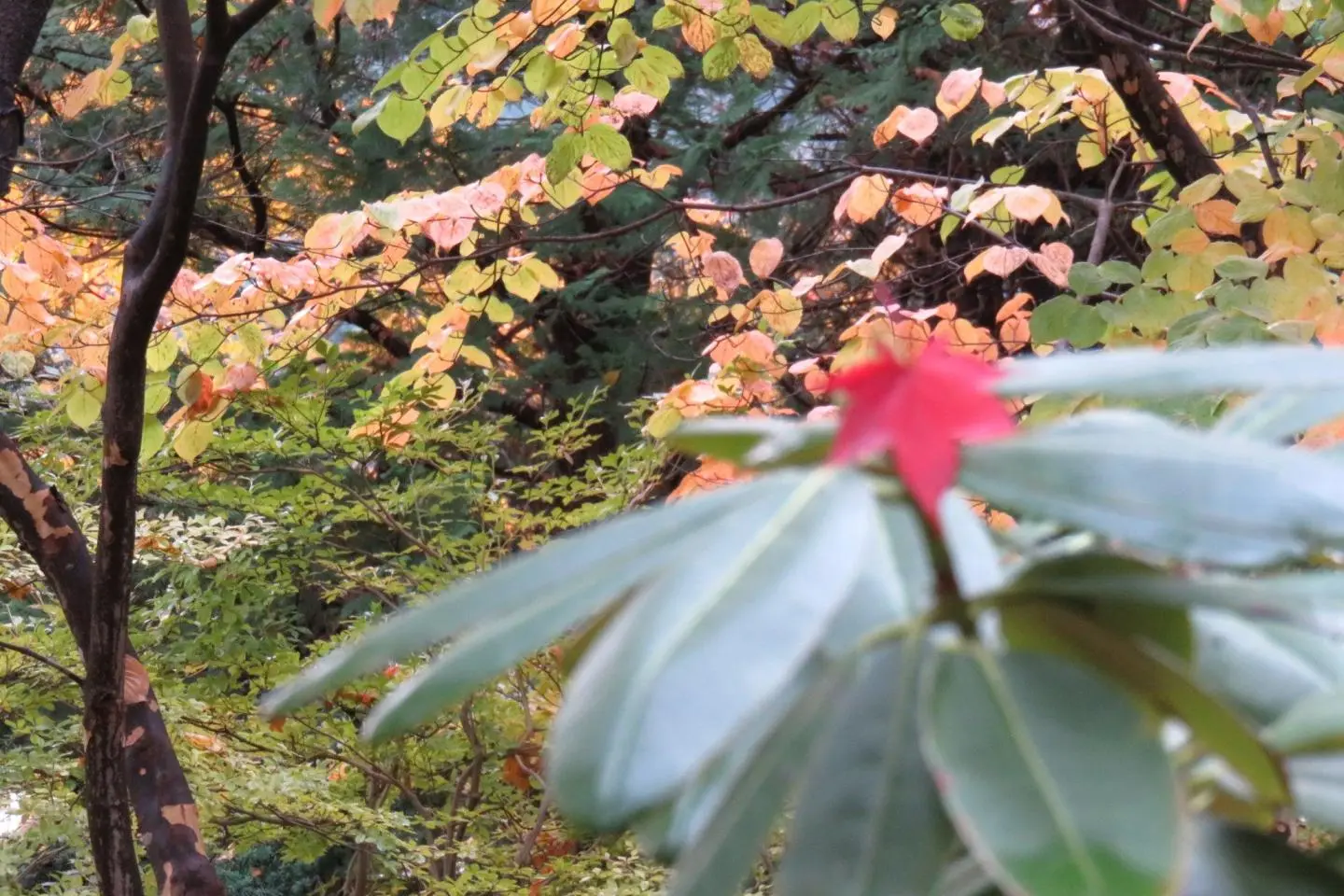
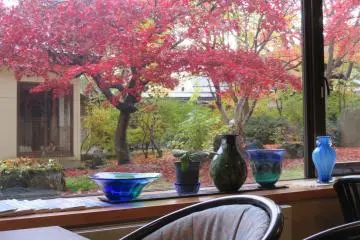
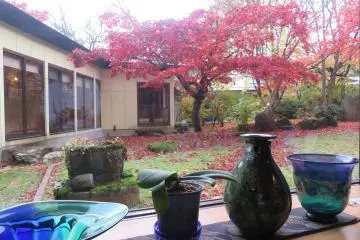
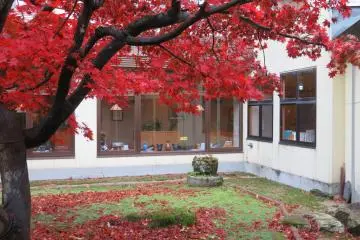
When was the last time you heard only the gentle hum of a fish tank, or the contemplative silence before making your next chess move? At Kazen no Sho, this kind of calm comes easily. The lounge offers panoramic views of a Japanese garden, where flame-red leaves in Autumn contrast beautifully with moss-covered rocks, creating a scene that changes with the seasons.
Your invitation to unwind begins at check-in. Female guests may choose from a selection of yukatas in folk-inspired colours and patterns, while men will find standard yukatas prepared in their rooms. Slipping into one evokes the feeling of leisurely Japan in the 19th century—a small but meaningful immersion into tradition. Although these are provided as a welcome gesture, they’re not meant to be taken home. That said, should you grow attached, yukatas (and goldfish-themed souvenirs) are available for purchase in the hotel shop.
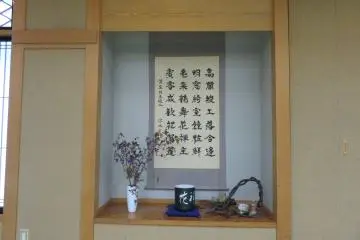
Keen observers of interior design may see tell-tale signs of the hotel’s 1970s origins, from its simple geometric finishes to the round elevator lights. Yet rather than feeling dated, the space is impeccably maintained. The careful attention to cleanliness and detail—seen in the woodwork, paper screens, and lanterns—imbues the hotel with warmth and quiet charm.
Although the building rises four storeys and offers modern conveniences such as elevators and remote-controlled lighting, it retains the feel of the countryside. Shoes are removed at the entrance, just like a traditional ryokan. The comfort of walking on the corridors, to breakfast, dinner, or to the hot spring baths in your yukata and bare feet or slippers, is very soothing after a long day travelling or sightseeing.
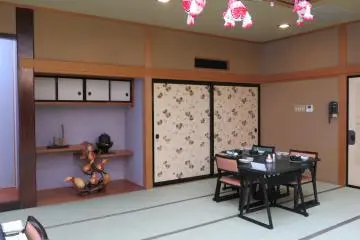
The pristine tatami corridors create something of an illusion, shrinking what is technically a large hotel into the intimacy of a ryokan. It’s both a visual and sensory experience.
Kazen no Sho also adapts to contemporary needs, offering Wi-Fi and introducing beds in some rooms—a blessing for those who struggle to sleep on futons. The only limitation may be breakfast, which is exclusively Japanese. Still, the all-day coffee machines in the lounge are a tempting consolation.
Dining Options
One of the great pleasures of staying at a ryokan like Kazen no Sho is enjoying meals in tatami-lined dining rooms while dressed comfortably in your yukata, without ever needing to step outside.
Dinner is served kaiseki-style, showcasing a range of satisfying local specialities. Expect scallops, rock fish, seasonal vegetables, beef, sashimi, salads, and chawanmushi—a delicate savoury egg custard. The soba sprouts were crunchy and enjoyable to the touch, while Mozuku a seaweed vinegarette made a delightful appetiser.
Likewise, the breakfast is a large meal with lots of small plates, so take the time to enjoy it, it is not meant to be rushed. If you have a morning deadline or appointment, like a train to catch, I suggest you come to breakfast early and take you time to enjoy the various delicacies.
What’s Nearby
Within walking distance are the Traditional Craft Centre and the Kokeshi Museum—pleasant stops that enhance the sense of place without disrupting the area’s peaceful atmosphere. Slightly further afield lies Nakamachi Komise Street, a historic stretch lined with century-old sake shops and even a second-hand LP record store boasting an impressive selection of 1960s and 1970s music, including the Beatles.
Quiet, nostalgic, and rich in local character, Kazen no Sho offers an experience that feels both timeless and gently surprising—much like its ever-present goldfish.
Getting there
Contact the hotel directly if you wish to take the shuttle to and from the railway station. The shuttle bus picks up from Hirosaki Station Johashi Exit at 15:30 and drops guests from the hotel to the same station at 9:30. Otherwise it is a short taxi ride from the station.
Alternatively, there is a shuttle service to Hirosaki Station. Please contact the inn as it is on a "reservation in advance" basis.

/140.6772583,40.6054005,9/397x132?access_token=pk.eyJ1IjoiamFwYW50cmF2ZWxtYXBzIiwiYSI6ImNqbXBtOXYxbDB5Z3ozbHFrazJuYWMwOGYifQ.v15fy_mcFWtgopmz8PhwqA)