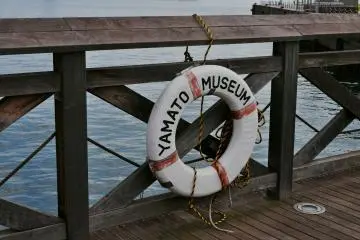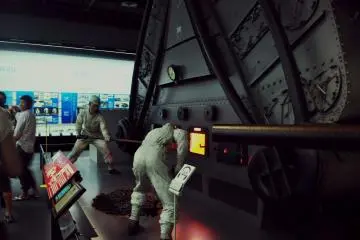
The Yamato, the biggest warship ever built, was constructed in Kure during the second World War. It was sunk in 1945 by US airplanes during the suicide operation Ten-Go, after being sent to protect the island of Okinawa from the invasion of American troops. Today, it stands as a symbol of honor and perseverance, and its history can be learned in Kure's Maritime Museum, located in the city port overlooking the Seto Inland Sea. Its main attraction is a 1:10 scale model of the famous craft that once was the lead ship of the Imperial Japanese Navy.
Kure "Yamato" Maritime Museum
The story behind the biggest battleship ever built
Rédacteur web
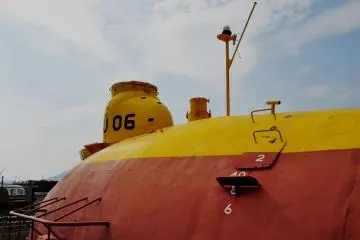
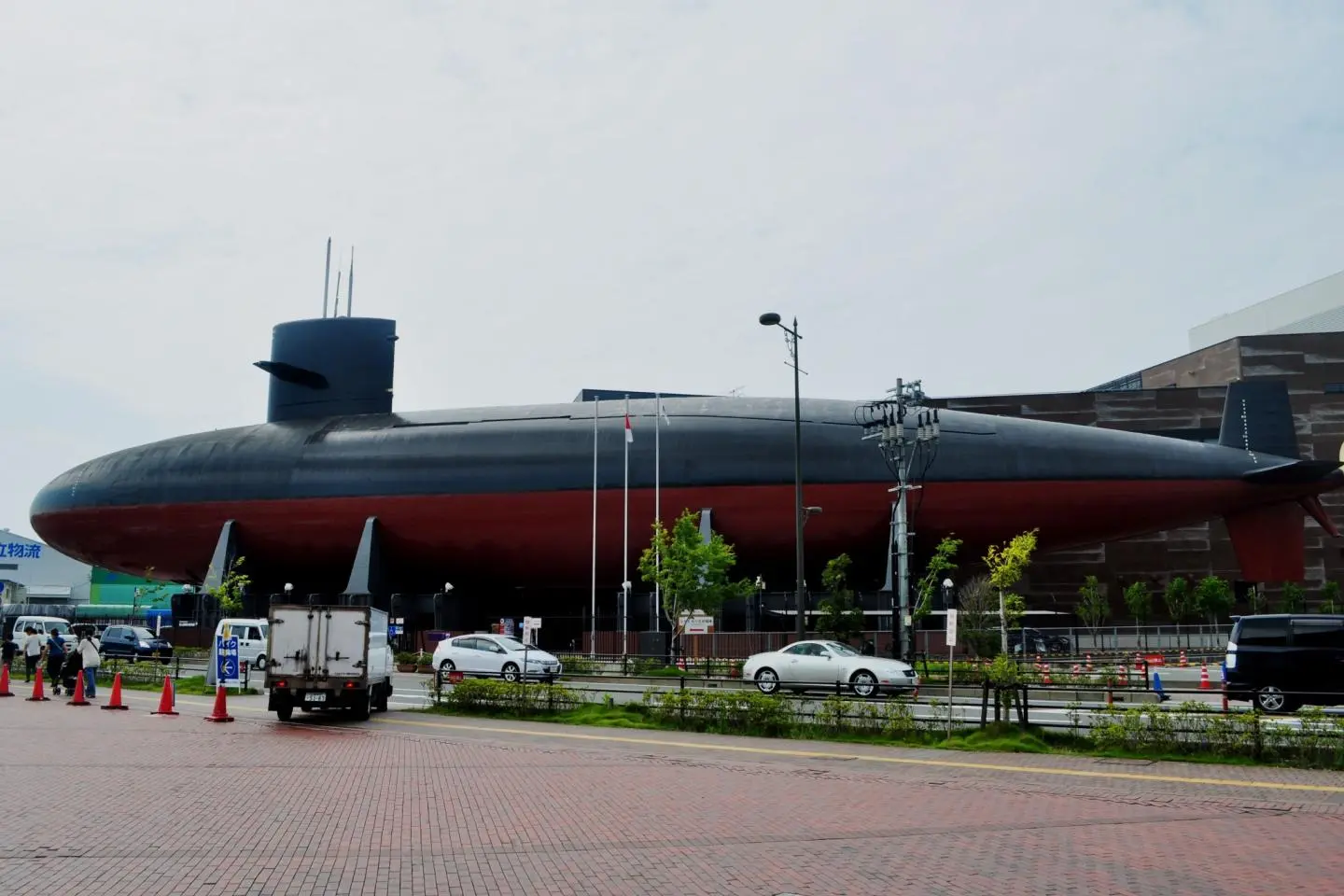
Finding the museum is easy; just look for the submarine located right outside the building.
The museum was nicknamed "Yamato" after the battleship, which is its main focus of attention.
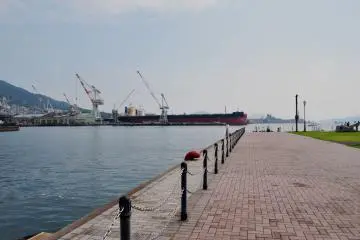
It is located in the city port, just a 15 minute walk from the JR Station.
Everything around the area is devoted to nautical vessels and submersibles.
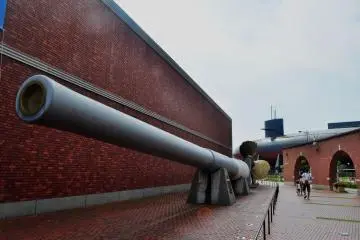
Some displayed objects can be seen outside the museum without actually paying the entrance fee.
Admission is 500 yen for the permanent exhibition, which includes free audioguides for non-Japanese speakers.
The museum also focuses on the rise of Kure as a major military port in Japan.
The display includes a 150cm searchlight of battleship Yamato model.
Objects rescued from the sunk ship can also be found in the permanent exhibition.
The museum displays handwritten letters of some of the 2475 sailors who died in the Yamato. Pictures are forbidden.
There is a "large objects room" with a collection of military aircraft and other objects.
Guests can enjoy a documentary about Kure's military history.
The last room, in the upper level, includes different games and artifacts than visitors can try themselves.
Explorez les environs
Laissez un commentaire
0 commentaire au total
Réservez votre voyage
Find a nearby hotel
Explore some of the best nearby hotels and deals for the perfect place to stay in Japan.
Top Articles
-
1Mon Rêve Du Japon Devient Réalité : Cap Sur Okinawa !
Blog -
2Plongez au cœur des spécialités balnéaires d'Ishinomaki
Miyagi -
3Immersion au cœur du patrimoine culinaire d'Akita
Akita -
4À la découverte d'Ibaraki : Saveurs de la mer, histoires de la terre
Ibaraki -
5Découvrez les saveurs et les paysages de la côte de Miyako
Iwate -
6Hachinohe, Aomori : La frontière nord du Japon
Aomori -
7Voyage artistique vers l'héritage de Fujita Tsuguharu à Akita
Akita -
8Découvrez une facette inédite de Fukushima
Fukushima -
9La Zone Bleue d’Okinawa
Okinawa -
10Le bien-être à Okinawa
Okinawa
-
1Découvrez une facette inédite de Fukushima
Fukushima -
2Plongez au cœur des spécialités balnéaires d'Ishinomaki
Miyagi -
3A la Recherche des Tampons Japonais
Culture -
4Comment se Procurer une Carte Suica
Transports -
5Phrases de survie pour voyager au Japon
Planning -
6Gion Matsuri
Kyoto -
7Les Daims du Parc de Nara
Nara -
8Onsen : Ce Que Vous Devez Savoir
Guide -
9Yushima Tenjin Ume Matsuri
Tokyo -
10Du Sumo au Sanctuaire Yasukuni
Tokyo